To know is to remember (Plato, Meno). Remember what? Who we are, and why we are: “I will call to mind the deeds of the LORD; yes, I will remember your wonders of old” (Ps 77:11). Remember those wonders of old, so old that they reach far back to the “beginning” (Gen 1:1). Before man had any knowledge, he had a memory set as “a seal” (CC 8:6) upon his being, body-and-soul, “male and female” (Gen 1:27) – the memory of God, his God (cf Ps 7:1, Ps 143:10), who made man in His image and likeness (cf Gen 1:26-27) out of everlasting love (cf Jer 31:3, CCC 293).
Man on his own travelled inwardly as far as possible, remembering a God who was not a “who” but a “what”, for without this God revealing Himself to man, He was an “unknown” and “hidden” God (Acts 17:23, Isa 45:15). The Creator of all chose to reveal Himself, first to the prophets and then through His Son (cf Heb 1:1-3), “and the Word was made flesh and dwelt among us” (John 1:14), fully God and fully man, Jesus Christ, who says to man: “He who has seen me has seen the Father” (John 14:9). Upon returning to His Father, after He suffered, died, and was resurrected so that, by faith in Him, we may be adopted sons and daughters of God in Christ (cf Eph 1:5) and call our Creator once more, after Adam’s sin, “our father” (Matt 6:9-13), Jesus sent the Holy Spirit, the love between Him and His Father, a love who is God Himself (cf 1 John 4:8) so that we may also encounter the Father through, in, and with His Son, even after His ascension (cf Acts 1:9-11, Luke 24:15), by becoming temples of the Holy Spirit (cf 1 Cor 6:19) and by seeing with the eyes of faith the image and likeness of God in every person (cf 2 Cor 5:7, Matt 25:40-45) .
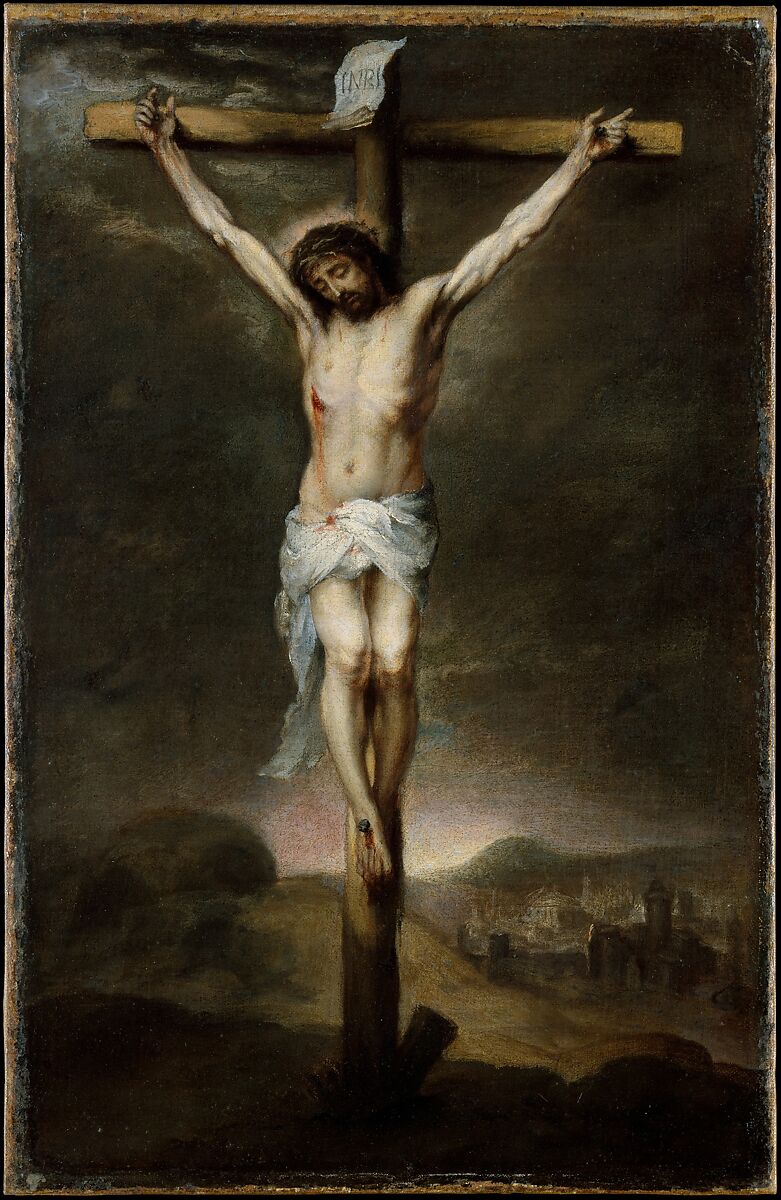
To know is to remember. Remember who? The one who asks us to eternally remember Him: “do this in memory of me” (Luke 22:19). The one who “became flesh and dwelt among us” (John 1:14). The one who laid down His life for us (cf John 10:11) so that we may have abundant life (cf John 10:10). The one who pardoned as He was crucified (cf Luke 23:34) and saved as He was giving up His last breath (cf Like 23:43). The one who has conquered the world with His love (cf John 16:33) and who is with us “to the close of the age” (Matt 28:20). The one with His heart “pierced” (John 19:34) who loves us “for ever” (Heb 13:8) with a love that “never ends” (1 Cor 13:8). Remember the Lord, Jesus Christ, who is Freedom and Love and gives us all His peace (cf John 14:27). Remember Him: “Jesus dulcis memoria” (St Bernard).
To believe is to understand (cf Isa 7:9) the “things not seen” (Heb 11:1), and no one has seen God face to face (cf 1 John 4:12), yet. For the day is coming when we “shall see his face” (Rev 22:4) and meet His eyes whose gaze speared St Peter’s heart with divine love and contrition for his denial of the Master (cf Luke 22:61), and, on that day, He will say to us: “I am your God, and you are my people” (cf Eze 11:20).
Therefore, faith allows us to understand our knowledge of God. And what does it allow us to understand? That “God is love” (1 John 4:8).
There is so much out there, in the world, thousands of voices, thousands of deeds, thousands of years, all telling us otherwise, shouting, whispering, pointing: “What about this or that? What about evil? What about suffering? What about death?”, accusing God who, once more, stands quietly before His accusers, as Jesus stood once before His (cf Luke 23), blamed for all evil that man has done. What about us, man, what about you and me?
Where is our love, if not in God, with God, and from God? Can you and I love if God is not love? Can you and I love if we wouldn’t be loved first? Can a child be born out of anything but love? Even if his or her parents do not desire that “lily of the valley” (CC 2:1), do not welcome that green olive shoot (cf Ps 128:3), do not want the divine “reward” (Ps 127:3) and sweet blessing, God loves the child and is from His eternal and invincible love that life comes into being for He “fashions the hearts” (Ps 33:15) of all and gives each child, hidden in the womb, “wondrously made” (Ps 139:14), a promise: “Even if your father and mother may forsake you, I – the Lord – will take you up” (cf Ps 27:10). What about love then?
Can love be anything but divine? “God is love” (cf 1 John 4:8). But love, we hear, is this and that, emotion and feeling, imagination and desire, pleasure and possession – is it not? Eros stands beneath the feet of evil and confusion, beaten, tired, and enslaved. Love is free and freeing: it sets free, for it is the everlasting truth, the way to life eternal (cf John 8:32, John 14:6). Love is sacrifice, total self giving, abandonment of oneself for the sake of the other, for the beloved; and who sacrificed more, gave more, and abandoned Himself more than Almighty God for us?
God appears to each one of us from afar (cf Jer 31:3), from the depths of eternity He speaks to us (St John of the Cross, Ascent of Mount Carmel) and says:
“Love is patient and kind; love is not jealous or boastful; it is not arrogant or rude. Love does not insist on its own way; it is not irritable or resentful; it does not rejoice at wrong, but rejoices in the right. Love bears all things, believes all things, hopes all things, endures all things. Love never ends […]” (1 Cor 13:4-8).
Love never ends.
Remember and believe therefore, that God is love.
Image credit: Albert Bierstadt, Storm over the Rocky Mountains, 1866
 Nihil Sine Deo